Green2Get: The Green App of 'Prem Pruktayanon', the Nerd Obsessed with (Sorting) Trash
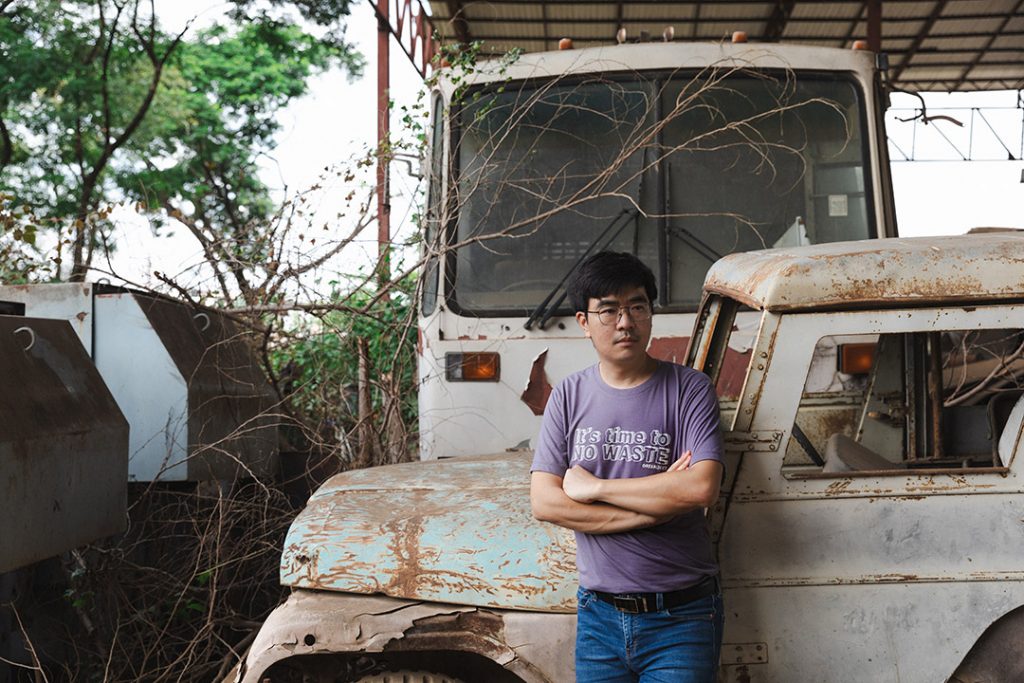
Prem Pruktayanon — the nerdy young man who made 'trash' life's biggest cause. An introvert ready to open doors and help solve environmental problems with the Green2Get app.
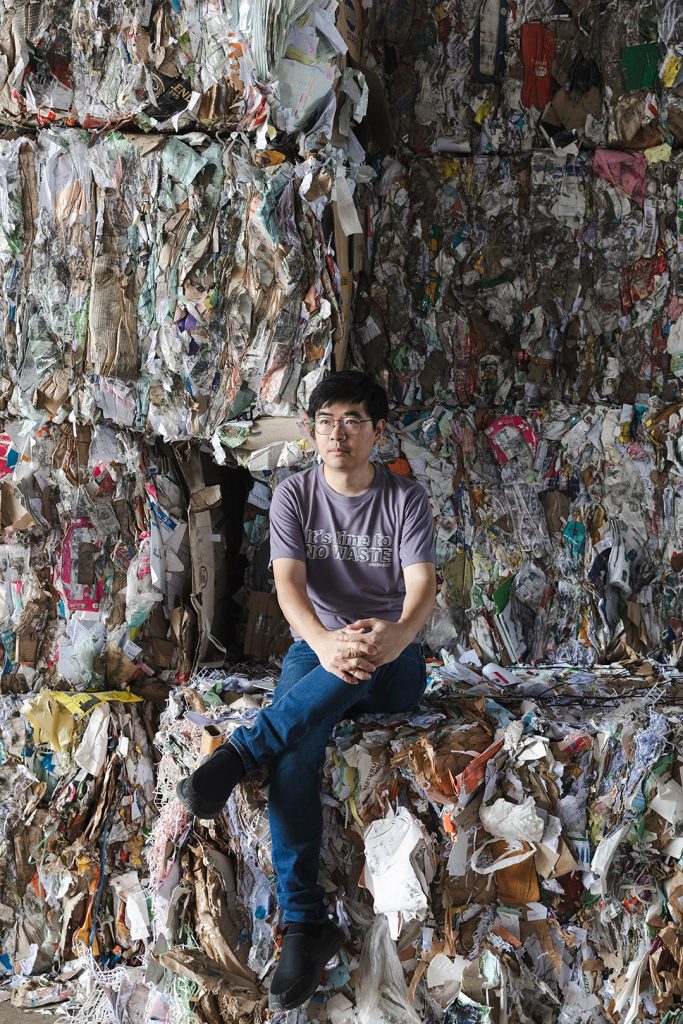
While many reject the task of sorting trash with the mindset "why bother sorting when it all gets thrown together in the end," this very question led us to seek out one man. He grew up in a family running a scrap-buying business. He once hoped the reasons for sorting waste would be compelling enough to win others over — until the day he had to accept that he couldn't persuade anyone, not even those closest to him. Yet he stood firm in his own beliefs and refused to let disappointment defeat him.
He is Prem Pruktayanon President of Green2Get Co., Ltd. and founder of the page "Uncle Sala-eng and the Disappearing Trash" — a man whose life story suggests that trash will never truly disappear from his world.
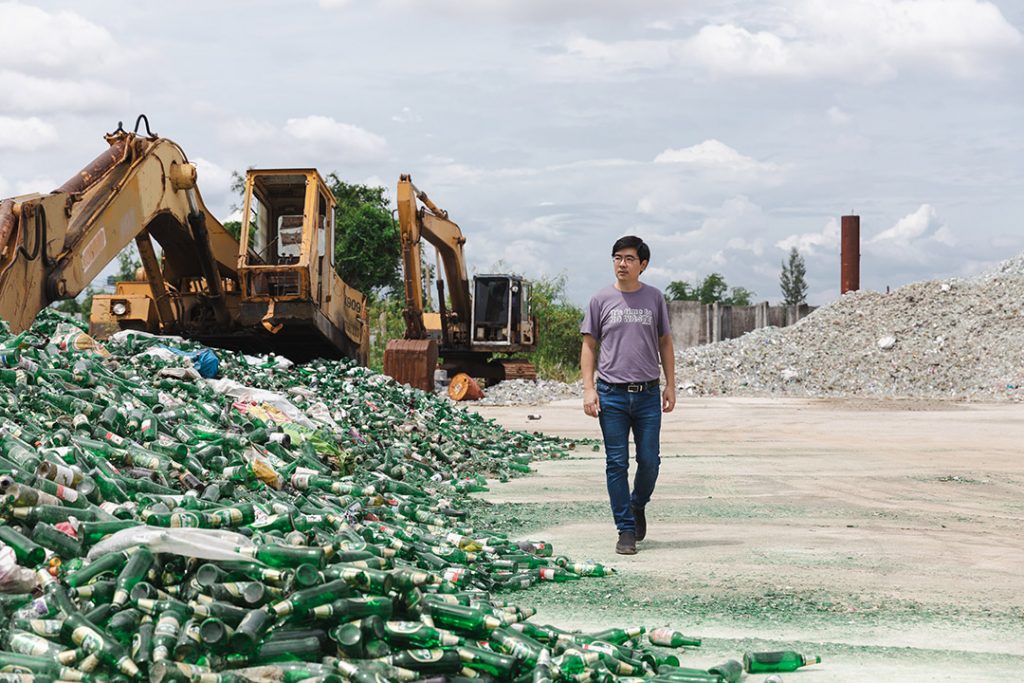
"I don't see trash as trash — I see it as materials. I know which materials have value. When I see people throw things away carelessly, it hurts."
LIPS: How did your family end up in the scrap-buying business?
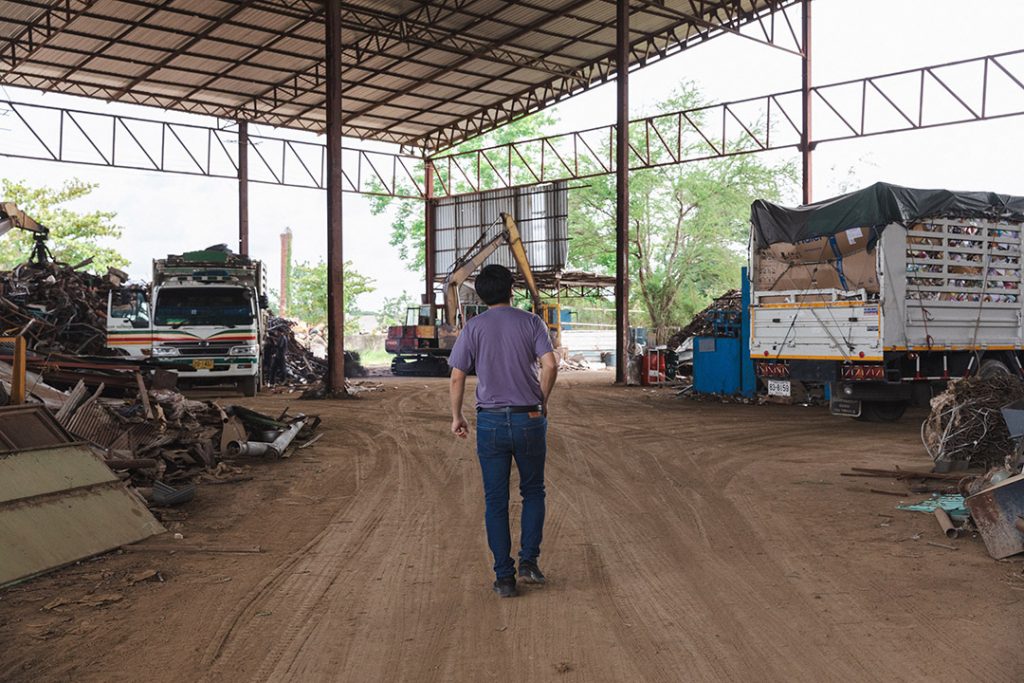
Prem: My father is from Songkhla, where our family ran a rubber plantation. As the eldest son, he looked for a new business to earn income to support his siblings. By chance he moved to Chiang Mai, came across a scrap shop, thought it might work without much capital, learned the trade — and it became the family business ever since.
I was fairly indifferent to the business. After graduating in computer engineering from Chiang Mai University, I worked as an engineer in Bangkok for several years while pursuing an MBA at Thammasat. My eldest sister had already joined the family business. After finishing my master's, I felt it was time for me — as the eldest son — to return. I tried to find my own motivation to go back, since I wasn't passionate about the scrap-buying business at all.
Around that time, the documentary "An Inconvenient Truth" about the global warming crisis was making waves. I watched it and was deeply moved. It made me realize our family scrap business could actually help the planet — and that gave me the energy and motivation to return home.
LIPS: What's the reality of this business that outsiders don't know?
Prem: Scrap buying looks like a simple buy-and-sell business, but there's actually considerable detail involved. It operates like commodities — products or raw materials used in production. At a glance, you might compare us to a rice mill, but we're not buying rice from farmers — we're buying various types of waste from households. Even with iron alone, you need to check whether it has cement filling inside, how much rust there is, and whether it's genuine iron. Since it's a commodity, prices are pre-determined — you can't add a marketing premium — so margins are thin, making the risk of losses ever-present.
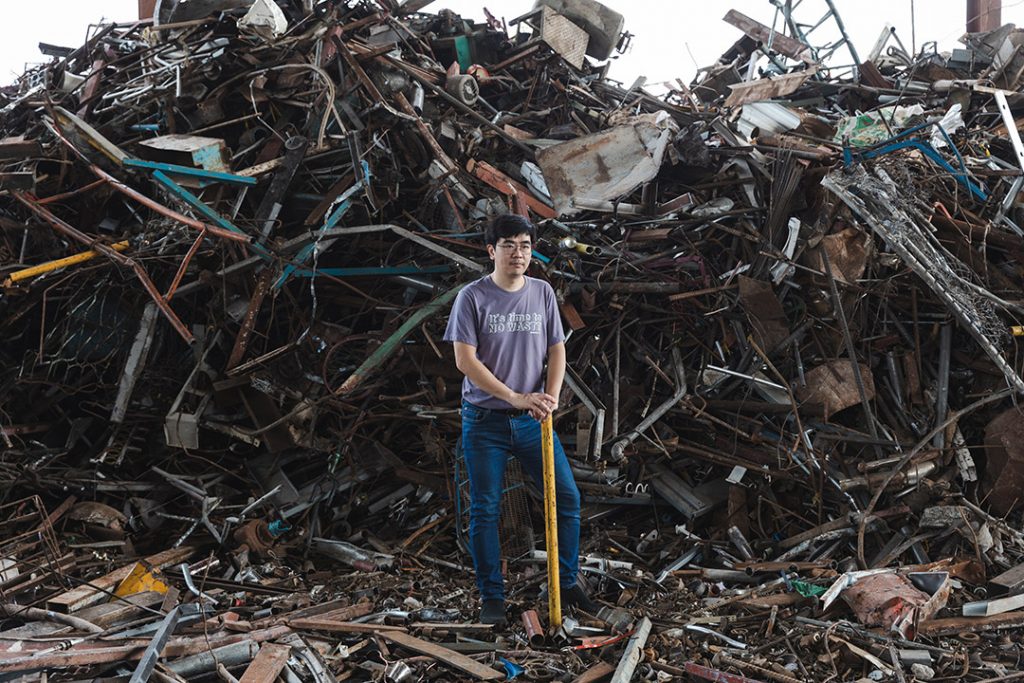
"People running scrap-buying businesses use only a 60-kilogram spring scale — the sole instrument of the trade — which is why modern technology rarely enters the picture."
LIPS: What are the advantages of this business that have kept your family going for over 50 years?
LIPS: อะไรเป็นข้อดีของธุรกิจนี้ที่ทำให้ครอบครัวเรายังทำต่อเนื่องมานานกว่า 50 ปี
เปรม: จุดเด่นคือเป็นสินค้าที่มีดีมานด์เสมอ มีเท่าไรขายได้หมด มีเหล็กพันตันก็ขายได้พันตัน ตลาดรับซื้อเสมอ เพราะเป็น commodities เราแค่หาของมาให้ได้ ก็ได้กำไรแล้ว นี่คือความง่ายของมัน ไม่ต้องทำการตลาดเลย เพราะมีคนรอรับซื้ออยู่แล้ว
ธุรกิจรีไซเคิลจะมีตั้งแต่ซาเล้ง ร้านค้าปลีก ร้านค้าส่ง และโรงงานรีไซเคิล ที่บ้านผมจะอยู่กลุ่มร้านค้าส่ง จะมีลูกค้าเป็นร้านค้าปลีก ผมก็ต้องไปตามหาร้านของเก่า ส่วนโรงงานก็จะมาตามหาผม เป็นทอดๆ กันไป แต่ปัจจุบันที่บ้านผมไซส์ค่อนข้างใหญ่ คนซื้อจะเป็นฝ่ายมาหาเราเอง นี่คือความง่ายของธุรกิจนี้
LIPS: เมื่อธุรกิจครอบครัวมาถึงรุ่นเรา บริหารจัดการอย่างไร
เปรม: ผมจบโท MBA บริหารธุรกิจมา ตั้งใจจะกลับมาจัดระบบธุรกิจที่บ้าน เพราะไม่อยากให้ทุกคนต้องเหนื่อยเหมือนที่ผ่านมา เล่าให้เห็นภาพว่า หน้าที่ผมตั้งแต่เช้าจรดเย็นคือนั่งรอชั่งของให้ลูกค้า แล้วจ่ายเงินประมาณ 100 บิล ต้องชั่งของประมาณ 200 รอบ แล้วก็ต้องคอยสั่งคนงานทำโน่นทำนี่เยอะมากเลย มันเหนื่อยมาก เป็นอย่างนี้สัปดาห์ละ 6 วัน ผมเลยอยากเซ็ตให้เป็นระบบว่า คนนี้เข้ามา เจอส่วนนี้ แล้วก็เอาคนไปใส่ว่าใครรับผิดชอบดูแลและทำหน้าที่อะไรในจุดนั้น แต่มันเปลี่ยนไม่ได้เลย เพราะไม่ได้รับความร่วมมือ
ส่วนหนึ่งเกิดจากความต่างของเจเนอเรชั่นด้วย เขาคิดว่าที่เป็นอยู่มันดีอยู่แล้ว จะเปลี่ยนทำไม ผมมองว่าเป็นธรรมชาติของคนเราที่ย่อมกลัวการเปลี่ยนแปลง ถึงจะเข้าใจแต่ผมหงุดหงิดมากนะ มันไม่เหมือนที่คิดไว้ ก็เริ่มเครียด รู้สึกว่าคิดผิดที่กลับมาช่วยงานที่บ้าน ทั้งที่ผมสนุกอยู่นะ เพราะยังมีแพสชั่นเหมือนเดิมว่าธุรกิจเรามีส่วนช่วยดูแลโลกได้ แต่การเปลี่ยนแปลงอะไรไม่ได้เลย ทำให้ผมอึดอัดว่าถ้าเป็นแบบนี้ เราก็จะเป็นเหมือนเดิมไปตลอด
LIPS: How did you deal with this problem?
Prem: The scrap-buying business is extremely old-school. The spring scale is essentially the only tool in the trade, so modern technology rarely comes into play. In other countries, the equivalent industry is more of a waste-sorting business — in America, for instance, waste is centralized and AI-powered conveyor belts sort it. In Thailand, it's purely buy-and-sell with little technology use. But I graduated in computer engineering, so I personally believed this could be disrupted — and that's how the idea for an application was born.
LIPS: Tell us about it.
Prem: After about 8–9 years working at home, I felt I couldn't continue and started coasting. So I looked for something of my own. When Grab was just launching, I thought our business could be disrupted by technology too — specifically something like a "Grab for sala-eng" so people could call for pickup when they had recyclables to sell. I got a computer-graduate friend to help build the program, naming the app "Green2Get." After about 2 years, we stopped — it wasn't successful. We ran out of funding, and my friend had no passion for the cause and left when the money dried up. I was sad — we'd spent over a million baht, half of it my own savings. Environmental awareness wasn't yet widespread at the time; I had the passion to change something and wanted to prove people genuinely cared.
LIPS: How did you handle life during that period?
Prem: Deep down, I still believed this country must have people interested in waste sorting. So I created the "Uncle Sala-eng and the Disappearing Trash" page — something I could do alone. I gave myself a year: if no one was interested, that would be the end. About 6–7 months in, the "Greta wave" hit (Greta Thunberg, the Swedish girl whose speech sparked global environmental awareness) and swept my way — the page started generating some income. I set that money aside to revive my startup and redevelop the shelved application.
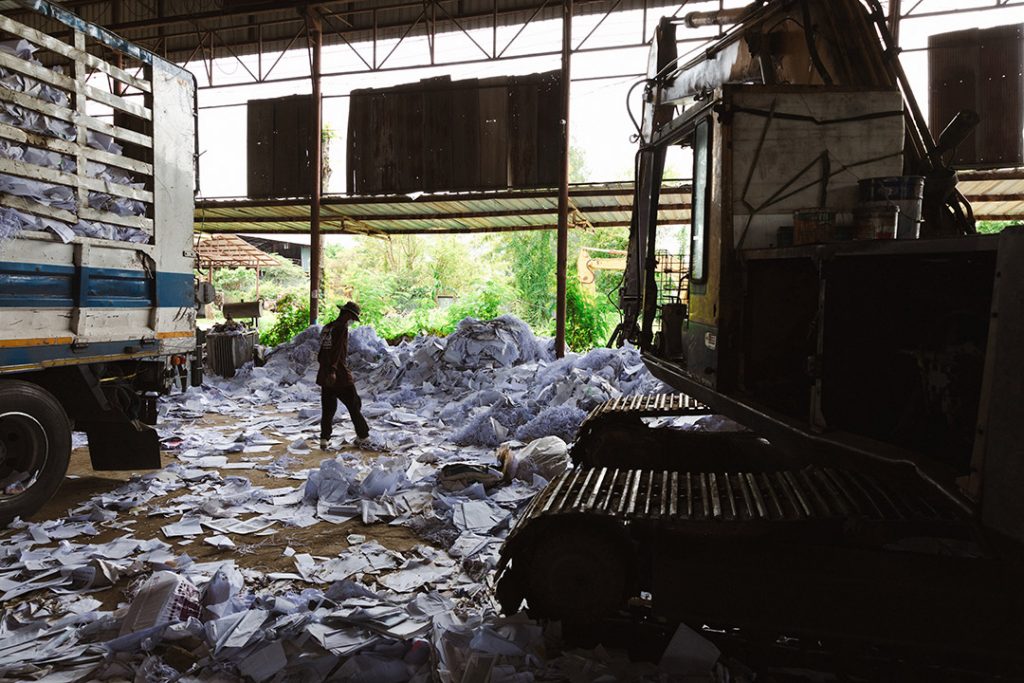
"Right now, no one suffers from a waste problem — unless the garbage collector stops coming. But when it comes to waste not being recycled, not being circulated — no one suffers from that."
LIPS: It seems running the Uncle Sala-eng page helped you discover the weaknesses in the Green2Get platform.
Prem: I had to research information before writing posts, which gave me insight into the needs of waste collectors and sorters — and I realized the "Grab for sala-eng" model didn't address the real problem, because:
1. Waste doesn't have enough value to justify someone traveling to collect it. Sala-eng drivers are already struggling to earn a living — they'd likely think: why should I be called to go pick up, and then also pay a fee to the caller? It simply doesn't work. Sala-eng drivers won't accept it.
2. It didn't solve the real problem. The waste problem isn't about sorting — it's about producers. Running the page taught me that the real solution is what's known as the Circular Economy — the concept of using goods and resources as efficiently as possible. This isn't just about sorters or recyclers; it encompasses the full chain: manufacturers and product owners, sorters, and recyclers.
So I concluded it was these 3 groups who must share responsibility. The question then became: what technology can connect them to create a Circular Economy? I pivoted from the "Grab for sala-eng" concept to a Circular Economy Platform — a complete overhaul. Early on, I funded the startup myself, as I kept getting rejected for grants with the reasoning that my idea "wouldn't make money." But as the Uncle Sala-eng page became better known, government agencies came with funding. I used that money combined with page revenue to build the Circular Economy Platform — still called "Green2Get" — a platform for a circular economy that everyone can participate in.
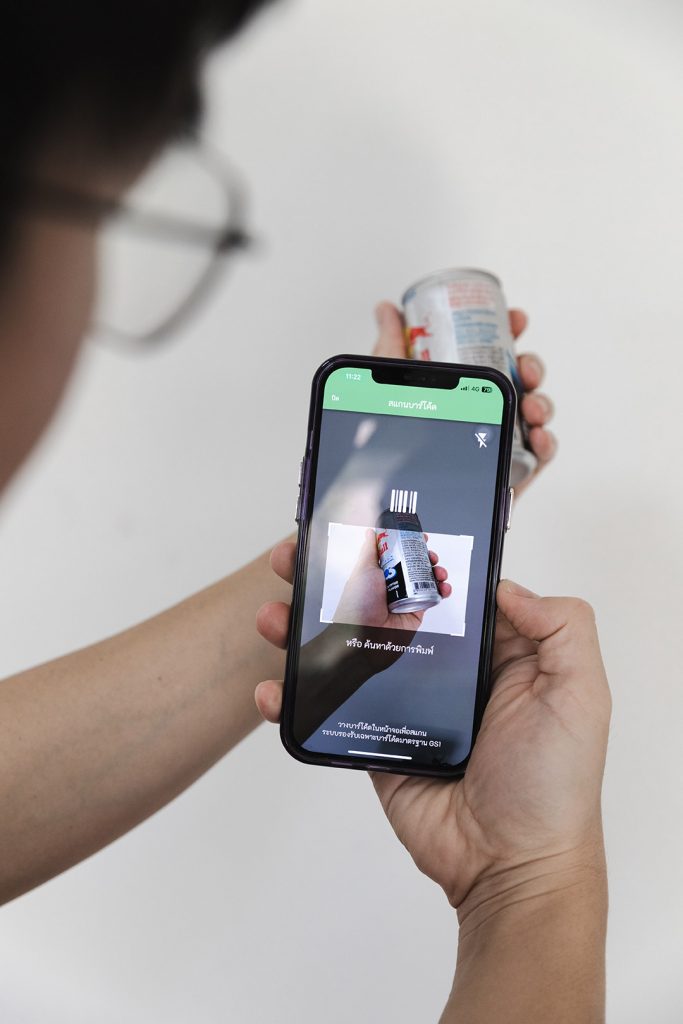
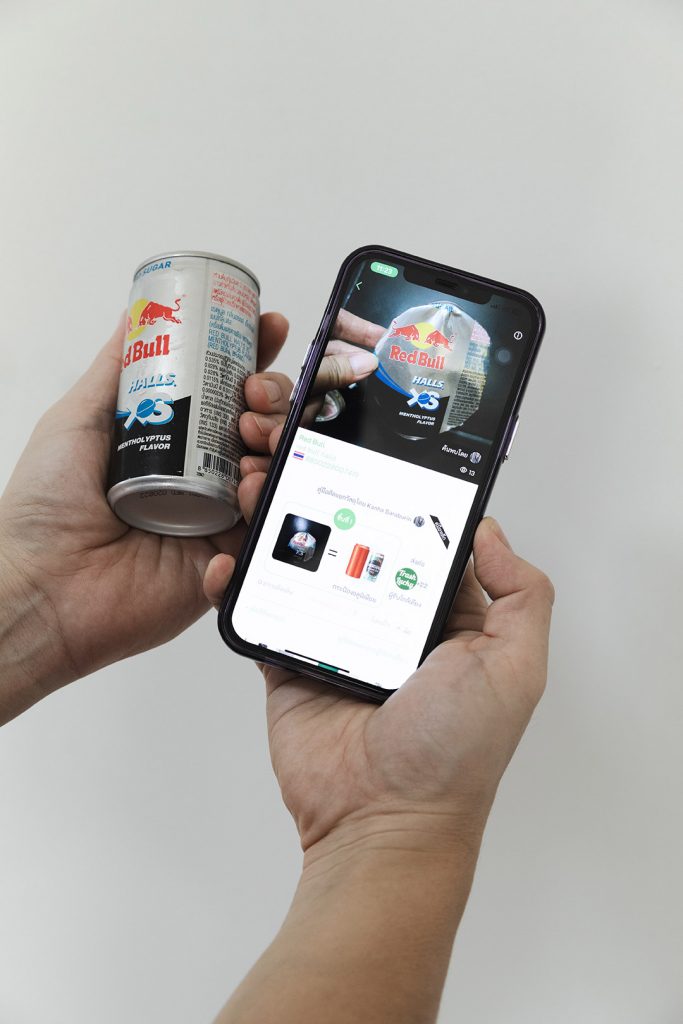
LIPS: How did things go this time?
Prem: Much harder than before. Previously it was just sorters and scrap buyers. But a Circular Economy platform — think of it like an online marketplace where sellers list products and buyers purchase, with us as the middleman — except our platform includes producers, consumers, and recyclers. We need all three to participate together and solve each other's problems, and each group has entirely different pain points.
For product owners, they want to look good in consumers' eyes — they want their products seen as green. We help them verify that what they produce is genuinely recyclable. That's what they want. Consumers struggle with not knowing how to sort, not knowing where to send their sorted waste, and lacking motivation. Recyclers want maximum profit. We have to solve problems for everyone — which is extremely challenging. I worked on it gradually, because the budget I had wasn't large.
LIPS: How do you solve problems for those 3 groups?
Prem: It's extremely difficult. But more importantly, I still ask myself every single day whether people really want this. Because what I'm doing doesn't make anyone's life easier. Remember, by nature, a product should solve some pain point — food delivery apps exist because people don't want to go stand in the sun queuing for food. But does what I've built address any real pain point? Right now, no one suffers from a waste problem — unless the garbage collector stops coming. But if waste isn't recycled, isn't circulated — no one suffers from that.
I understand this, but I argue with myself: shouldn't we do it anyway? The one thing that would create a real pain point is legislation. Our app would then be highly relevant — if manufacturers were legally required to take responsibility for their products, we have the solution. For consumers, imagine if the monthly garbage fee went from 20 baht to 3,000 baht — people would start wanting to recycle. In short, we'd probably need laws like that first.
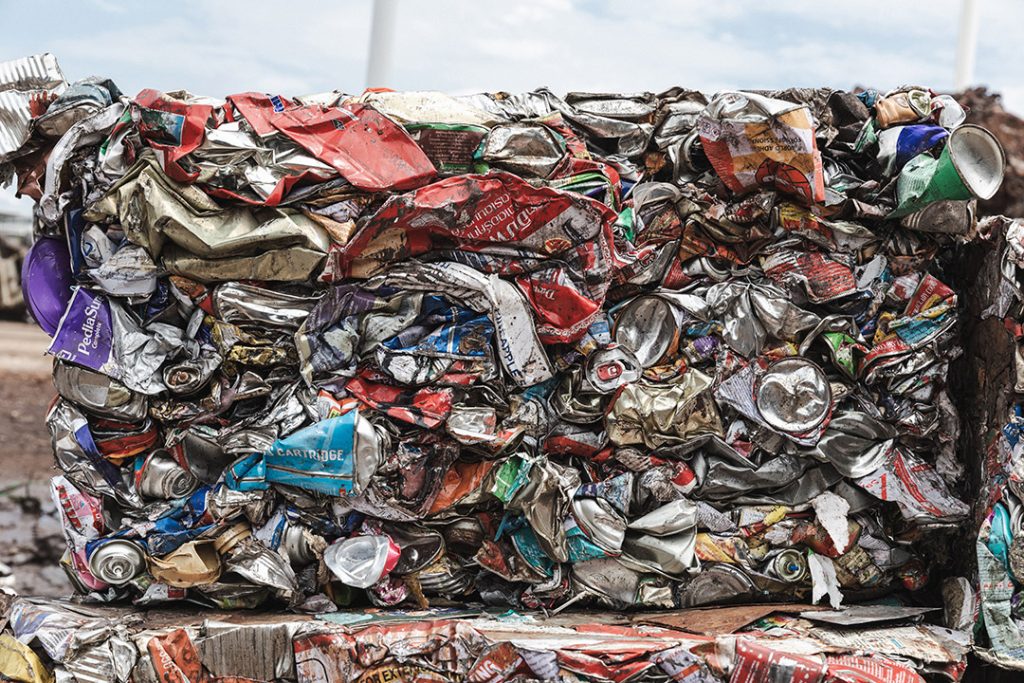
"'Trash' is a belief held by those who see something as having lost its value, as useless — and therefore something to be discarded without a second thought."
LIPS: Any tips from Uncle Sala-eng on how to sort waste?
Prem: First, find buyers before you start. Survey what's near your home — what types of waste are accepted where, where do sala-eng trucks park, are there any scrap shops? Because once you've sorted, you need somewhere to send it. Most people start by sorting and then can't find anyone to take it — they lose motivation and end up throwing it in the garbage truck anyway. When they see it all mixed together again, they resort to the classic line: "we sorted it but they mixed it anyway." The app I built addresses this — showing who accepts what and how many kilometers away.
Second, start with just one type of item. If you decide to collect water bottles, make a personal pledge: every water bottle that passes through your hands, you'll keep it. Don't try to collect everything at once — let the rest go for now. Once you stop seeing that item as trash, and especially once you find somewhere to send it, you'll feel far more motivated.
Third, promise yourself you'll stop calling it "trash."
LIPS: How does stopping seeing it as trash help?
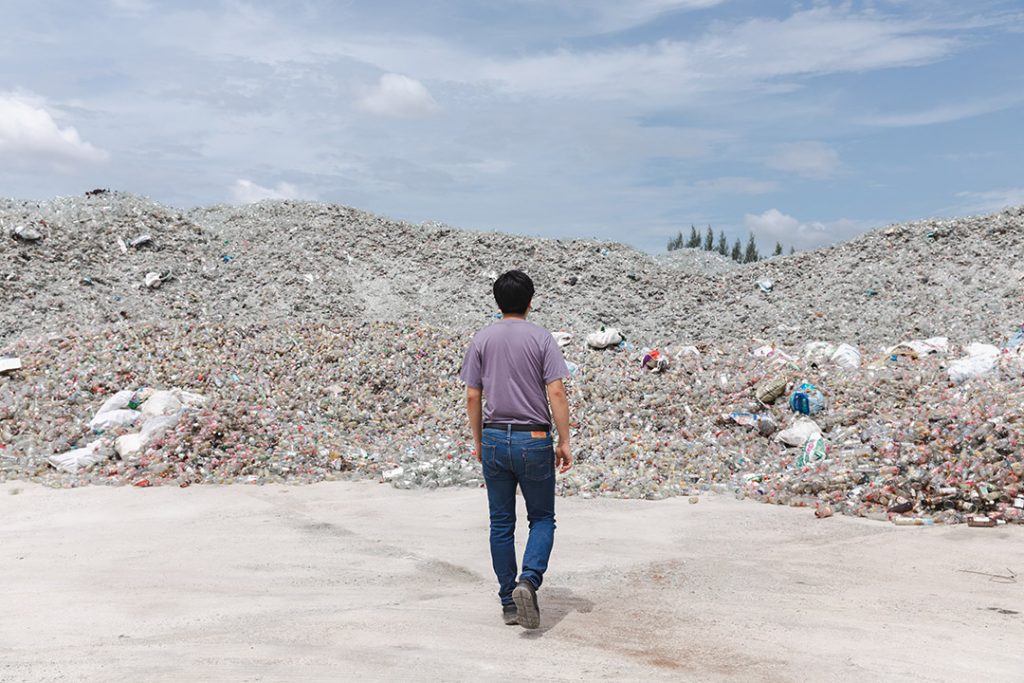
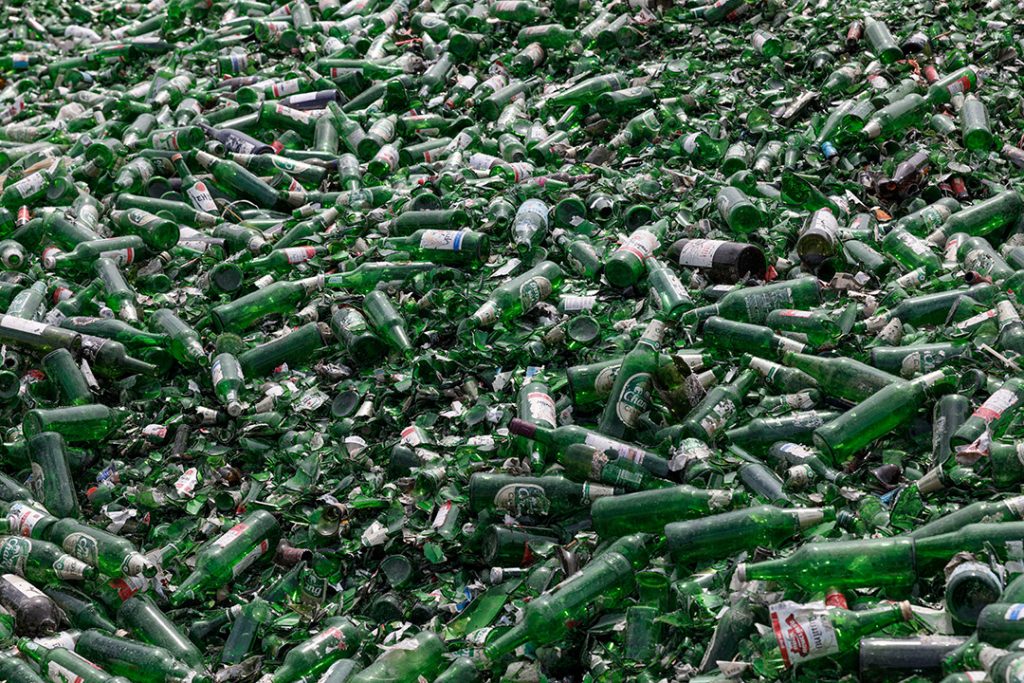
Prem: "Trash" is a belief held by those who see something as having lost its value, as useless — so it can be discarded without a second thought. The reason I care about waste sorting is that I grew up surrounded by these materials. I don't see them as trash — I see them as materials. I know which materials have value. When I see people throw things away carelessly, it hurts. Take plastic bags — people use them wastefully because they're cheap.
I'm not opposed to plastic — it's actually a tremendously useful innovation. Without plastic, there'd be no computers, no spacecraft, and our lives would be far less convenient. But humans don't use plastic in proportion to its lifespan. If we circulated it more, used only what's necessary, or shifted from carelessly discarding it to collecting and selling it — the resale price is actually quite high among plastics. It doesn't even need to be perfectly clean, just not wet, because wet plastic becomes much heavier. But since it's so light, accumulating even one kilogram takes time — and many people give up and throw it away because the clutter isn't worth it.
LIPS: Finally, what do you think will genuinely help the environment?
Prem: When I think about waste, I get a bit nerdy. I see it this way: we have only one world. What humans do is dig up resources, use them, and discard them. It's like having a storage cabinet at home — you take things out, use them, and throw them away. Resources are like the contents of that cabinet. What will happen? One day the cabinet will be empty, and the world will overflow with trash instead.
Once this world runs out of resources, we'd just go find another planet? That makes no sense to me — it's like we'd be aliens invading another world (laughs). Why aren't we the kind of advanced civilization that can circulate 100% of our own planet's resources? Instead, we'd be like extraterrestrials going to destroy another world.
Humans believe technology can change the world, and it has happened many times — Facebook and Google have connected us all. We've used technology to transform human life enormously. But we haven't yet used it to improve nature and the environment. If humanity truly believes it's capable, it must make this happen. Because the environment doesn't lie — once it collapses, it's gone. Species affected by climate change — once extinct, they're extinct. We've already passed certain turning points. Will humans reach those points too?
If humans say technology can change the world, I want it to change the actual, real world. That, I believe, is what matters most. And if we reach that point, I'll be able to say humanity is truly the most advanced species.
Date: August 18, 2023 | Written by: Rattikarn Hana / Photo: Karin Mongkonphan
Credit: LIPS MAGAZINE