'Green2Get' Connecting People… Building a Waste Management Platform
"Green2Get is a circular economy platform that connects producers, consumers, and recyclers" — Mr. Prem Pruekthiyanon, recycling entrepreneur and owner of the "Uncle Sahleng and the Disappearing Trash" page, and Principal Researcher of the "Green2Get: Circular Economy Platform" project, supported by the Circular Economy Program of the Program Management Unit for Competitiveness (PMUC).
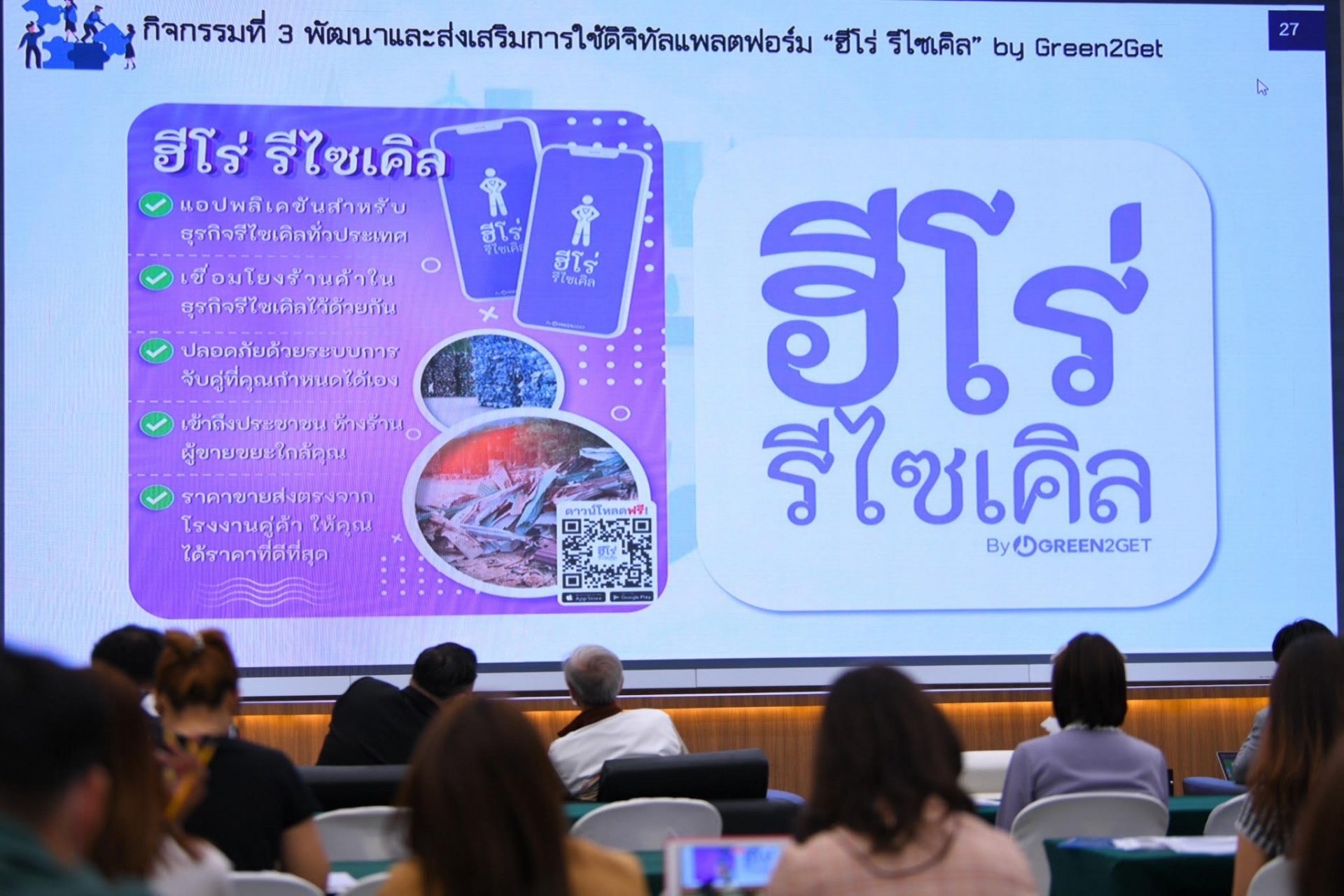
Mr. Prem explained that building a circular economy platform called 'Green2Get' is one approach to solving resource and waste management challenges. Beyond connecting stakeholders, it serves three target groups: 1. Producers — owners of all types of goods manufactured for sale that eventually become waste; 2. Consumers — general members of the public who purchase goods for use that eventually become waste; and 3. Recyclers — both large-scale and small-scale operators.
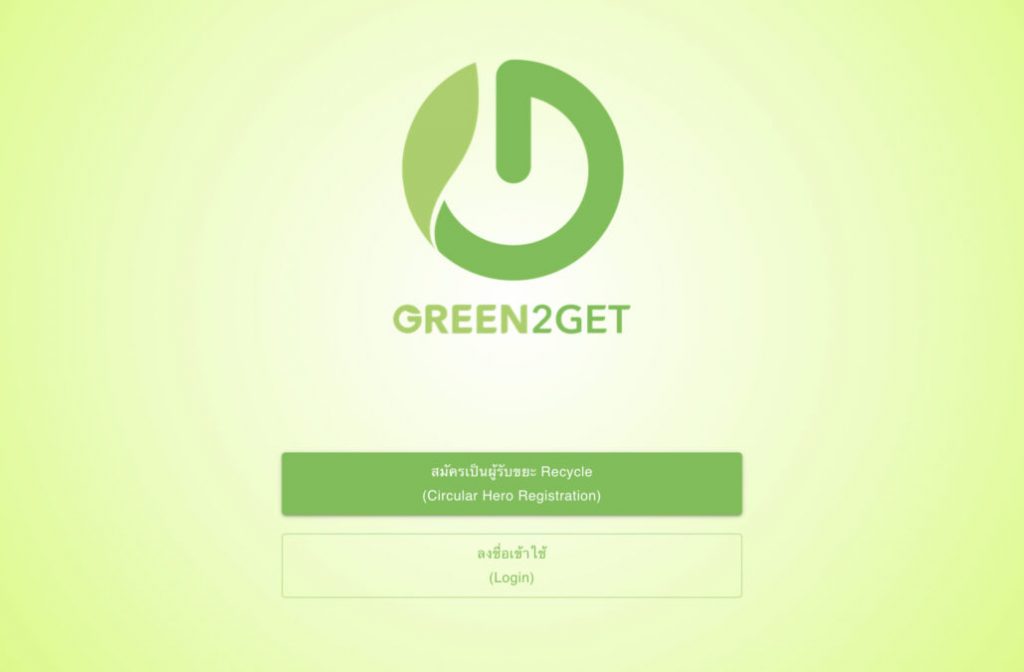
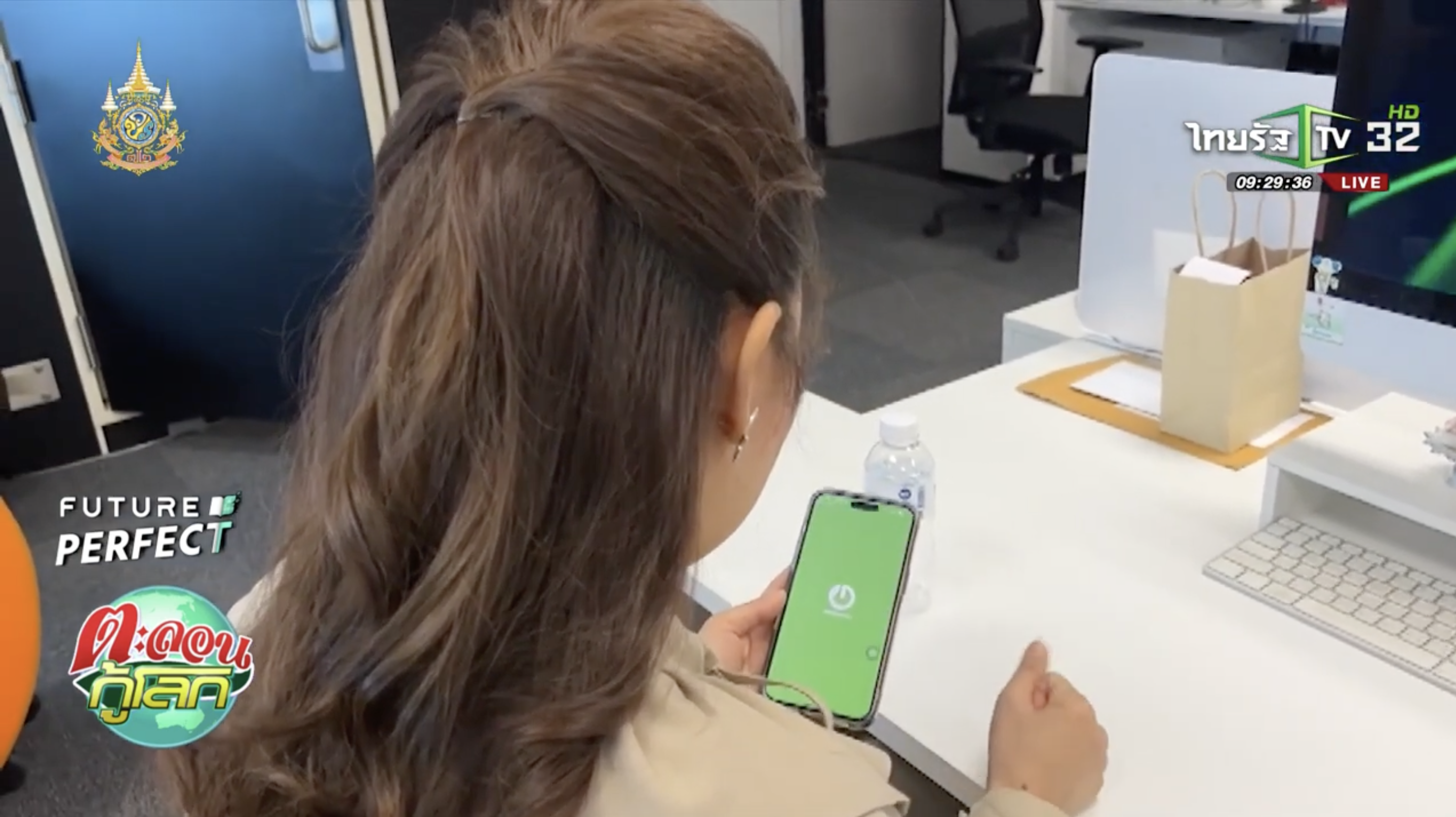
When opening the app or web application, consumers immediately see that the platform includes: 1. A search bar for recyclable materials, products, and barcodes — allowing consumers to scan their waste for sorting guidance; 2. A recyclable materials database with various types of waste that recyclers accept; and 3. Recommended collection points and collectors. Consumers can scan barcodes for waste sorting guidance, and can also add their own data.
Additionally, there is a Social Verification system where platform users collectively verify waste sorting methods. Once consumer data is gathered, the research team will contact producers to encourage their participation in supporting broader waste separation — enabling the system to demonstrate that waste generated by producers, passing through consumers, reaches the recycling system in a complete loop.
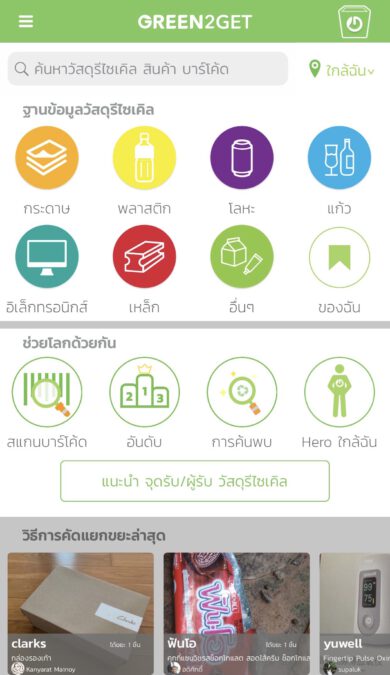
Although the research is still in progress and a complete end-to-end waste separation picture has yet to materialize, the research team has set three goals: 1. 1,000 registered recyclers (currently ~700 nationwide); 2. 10,000 registered consumers (currently 11,000); and 3. 10,000 barcode-tagged waste items (currently 12,000 in the system, with positive growth trends). Producer onboarding is still in coordination and is expected to open for platform participation in November.
Nevertheless, the project leader noted that the research team is improving tools to make recyclable material transfers more convenient and targeted. A marketplace will be created within the platform — when consumers list waste they wish to sell, the system will immediately notify relevant recyclers, making it easier for both groups to connect. This aligns with the platform's goal of enabling users to operate independently.
"This platform benefits everyone, but we want it to benefit 'consumers' the most."
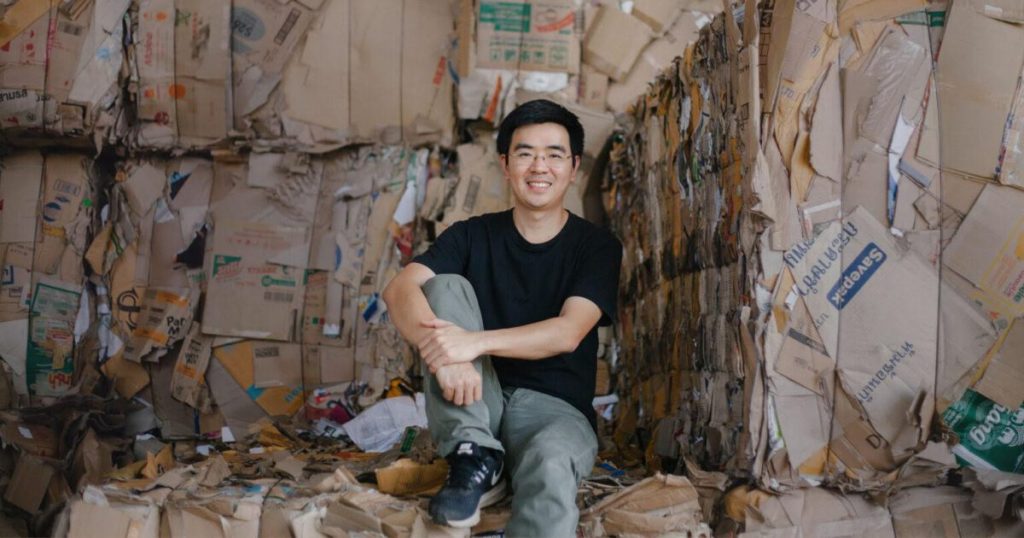
Mr. Prem Pruekthiyanon, Principal Researcher, Green2Get: Circular Economy Platform Project
Mr. Prem added that the team is currently developing a nationwide waste map website, still in testing. In the future, this website will display the density and distribution of waste types and recycling activities across the country — helping recyclers and producers identify data for developing and expanding recycling processes.
"We hope this platform will drive increased waste sorting and recycling across all material types. Even an increase of just 1–2% would represent hundreds of thousands of tons. Thailand's recycling industry is currently worth over 400 billion baht per year — a 1–2% increase would represent approximately 10 billion baht in value, while reducing end-of-line waste by 200,000–400,000 tons per year, contributing to a sustainable solution for Thailand's growing waste problem."
Date: November 9, 2021 | Source: Program Management Unit for Competitiveness (PMUC)